 Descargar PDF
 Studies in Ucayali, Peru, reveal that degraded soils lose moisture and carbon, accelerating wildfire spread. The transition to permanent crops and productive restoration has already reduced fires by up to 42% in areas such as Amaquella.
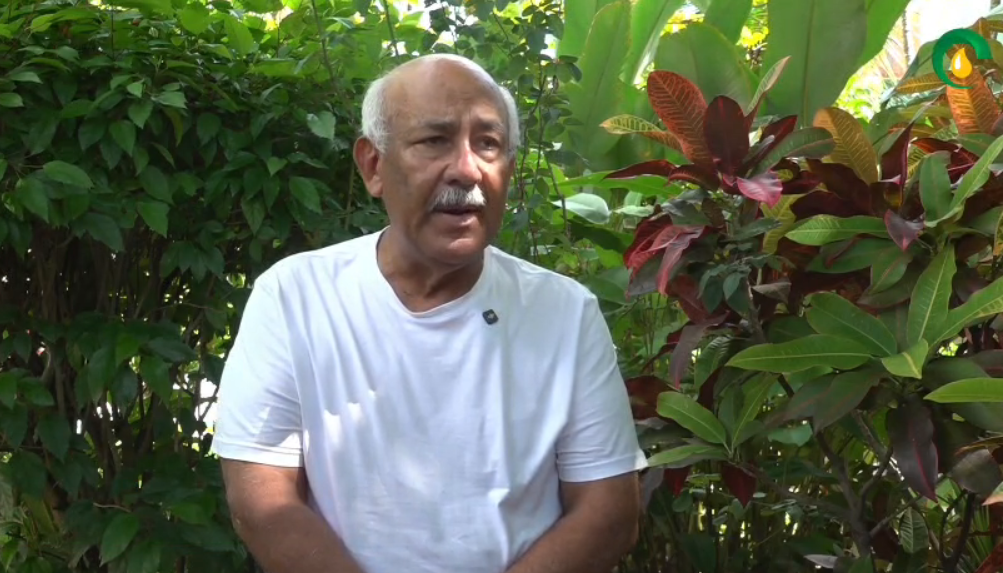
Soil degradation has become the silent fuel behind wildfires in the Amazon rainforest. Burning, once considered a traditional agricultural practice to “improve” land or control pests, is now emerging as a key factor intensifying the environmental crisis across the region. Systems ecologist Dr. Miguel Pinedo-Vásquez warns that fire does not only destroy surface vegetation — it alters soil structure itself, making land increasingly vulnerable to future wildfires.
The problem is less visible, yet deeply structural. According to the specialist, degraded soils lose moisture and natural carbon reserves — two essential components that function like a sponge, retaining water and maintaining biological balance. As these elements decline, soils dry out more rapidly, creating ideal conditions for fires to spread with greater intensity and speed.
“An impoverished soil is a soil that burns more easily,” explains Dr. Pinedo-Vásquez.
In the Amazon, fire has traditionally been used to manage pasturelands, prepare small farms, or control invasive species. However, the risk of fires getting out of control remains high. Dr. Pinedo-Vásquez emphasizes:
“Wildfires are currently the greatest obstacle to reusing, restoring, or regenerating degraded lands. Accidental fires — and even those sparked by disputes or conflicts — further worsen the situation.”
Productive Restoration and Sustainable Agriculture as Fire Prevention Strategies
Addressing Amazon rainforest fires requires more than simply banning burning practices. It demands transforming land-use models. Productive restoration and the transition to permanent crops have emerged as concrete, effective solutions.
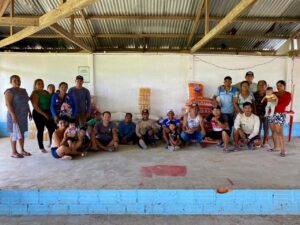
In the district of Amaquella, near Pucallpa in Ucayali, the conversion of degraded pastures into cacao and oil palm production units has delivered promising results. Local producers report that under this new land-use system, wildfires decreased by 22% in 2024 and by 42% in 2025.
The shift not only improves economic returns but also reduces wildfire risk by maintaining greater vegetation cover, enhancing soil stability, and restoring carbon reserves.
Research conducted along the Pucallpa–Aguaytía corridor on the Federico Basadre Highway confirms that this area is among the most dynamic and vulnerable zones in the Peruvian Amazon. The expansion of intensive cattle ranching has significantly reduced natural soil carbon stocks, directly weakening ecosystem resilience to droughts and fires.
Strengthening Climate Resilience in the Amazon
Dr. Pinedo-Vásquez’s proposal calls for clearly identifying key stakeholders — landowners, producers, and authorities — and defining their roles in both degradation and restoration processes. Documenting successful case studies, promoting research partnerships with local universities, and developing practical prevention and recovery tools are essential steps to scale solutions across Ucayali and the broader Amazon region.
Soil restoration, local capacity building, and sustainable production practices not only reduce wildfire risk but also protect livelihoods and strengthen long-term climate resilience in the Amazon rainforest.
Dr. Miguel Pinedo-Vásquez is a distinguished researcher affiliated with the International Research Institute for Climate and Society (IRI) at Columbia University in New York, specializing in socio-environmental issues in the Amazon and participating in scientific panels on wildfires in Peru.
From Ocho Sur, we value the dissemination of research that deepens understanding of socio-environmental challenges and, most importantly, highlights concrete solutions to the critical issues facing Ucayali and the Peruvian Amazon.